

At SASI Studio, our passion for design research drives how we conceive and realize architecture. Research is an active design tool, guiding experimentation and informed decision-making across scales. We explore sustainable design solutions and modern methods of construction to create efficient, adaptable, and responsible systems. Through 3D printing and robotic fabrication, we investigate new ways of making that enhance precision and material performance. Form-finding methods, generative design, and generative AI expand our creative processes, allowing us to test, iterate, and evolve architectural ideas. Our research bridges technology, design, and construction to deliver innovative, buildable futures.
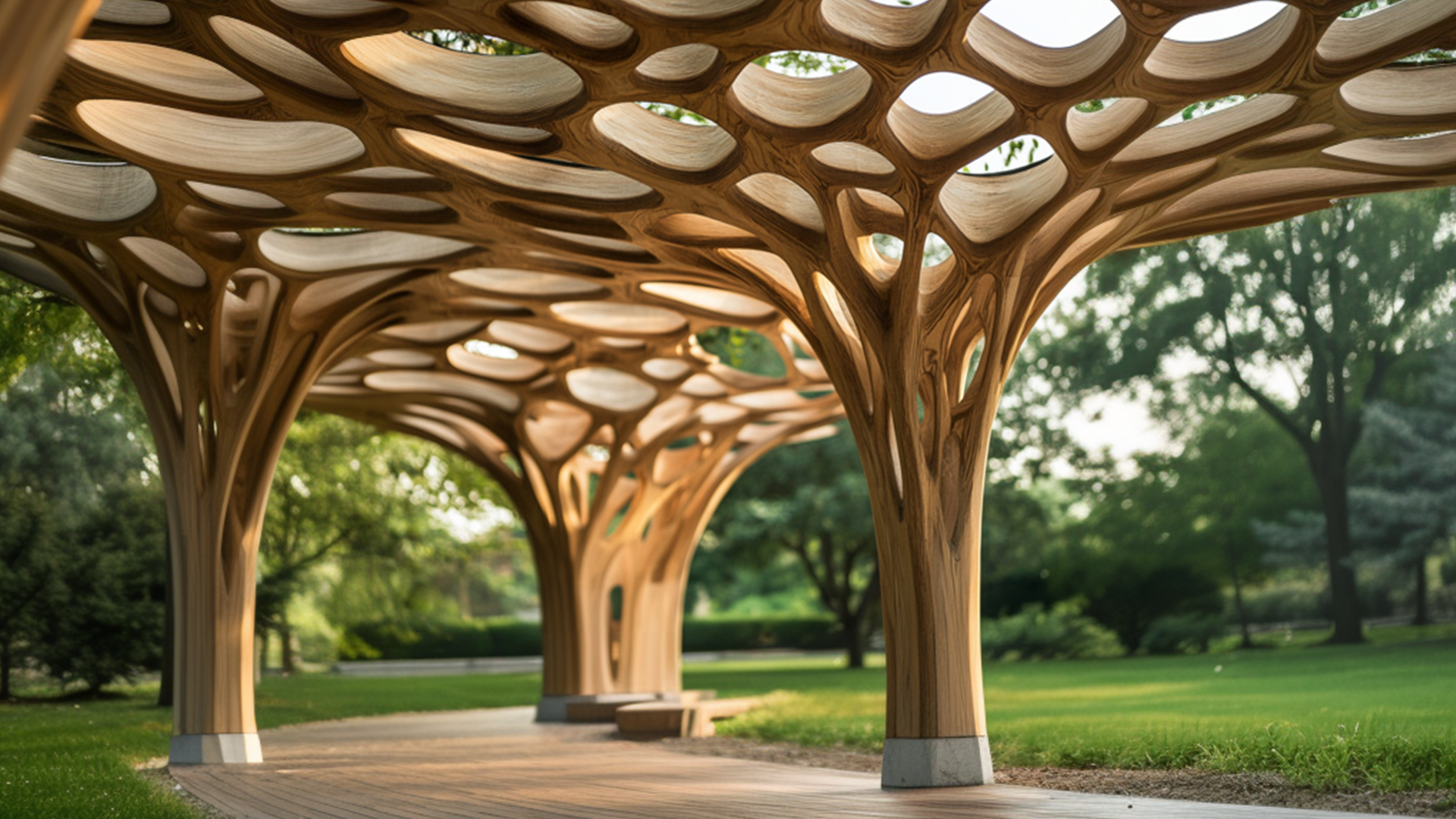
We use design creativity to explore ideas that consider active and passive sustainable strategies from the early stages of projects. Our work reflects an interest in low-carbon materials, durability, and resource efficiency, alongside approaches that seek to reduce waste across design and construction. We collaborate with specialist consultants to inform sustainability across different disciplines, encouraging a holistic way of thinking about environmental considerations. Our designs are shaped by climate, context, and material qualities, supporting thoughtful and adaptable architectural concepts.
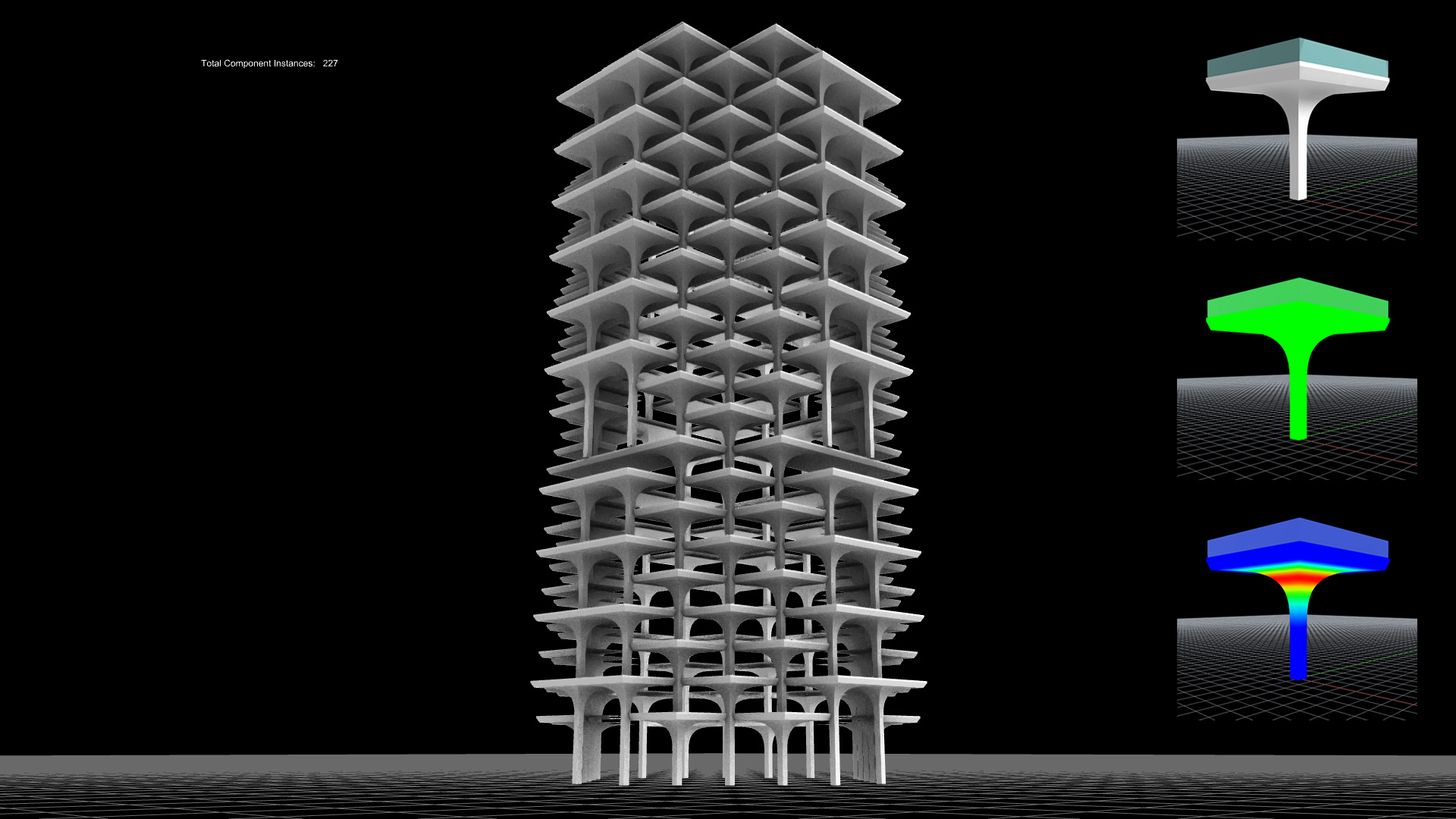
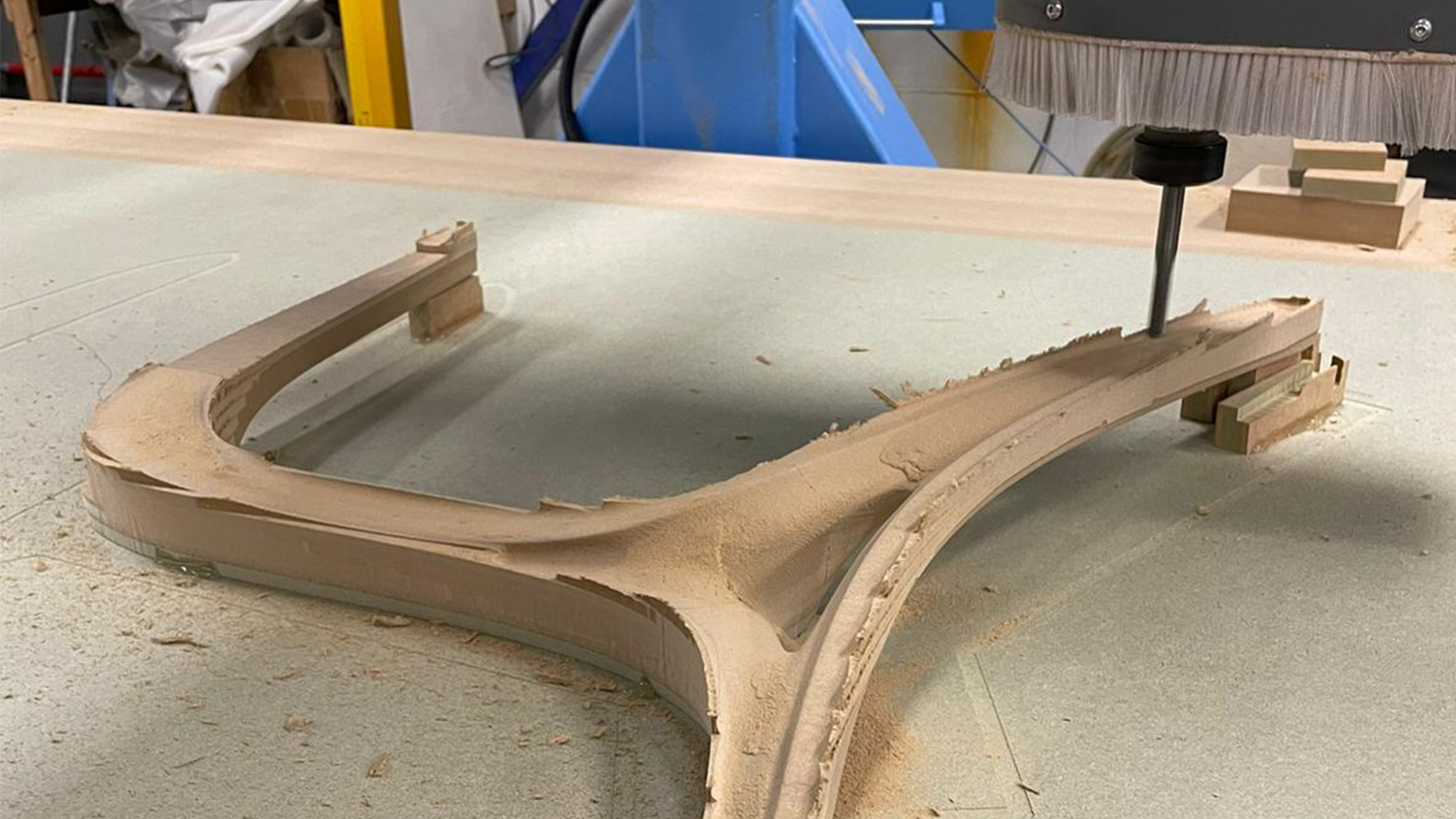
We view modern methods of construction as an opportunity to rethink how complex architectural ideas can be realised intelligently and efficiently. From the early stages of design, we consider construction processes that support precision, repeatability, and clarity, helping to rationalise complex geometries without compromising design intent. By engaging with off-site fabrication, modular thinking, and Design for Manufacture and Assembly (DfMA) principles, we explore ways to align geometry, material behaviour, and buildability. This approach encourages new possibilities for translating ambitious architectural forms into coherent, buildable outcomes.
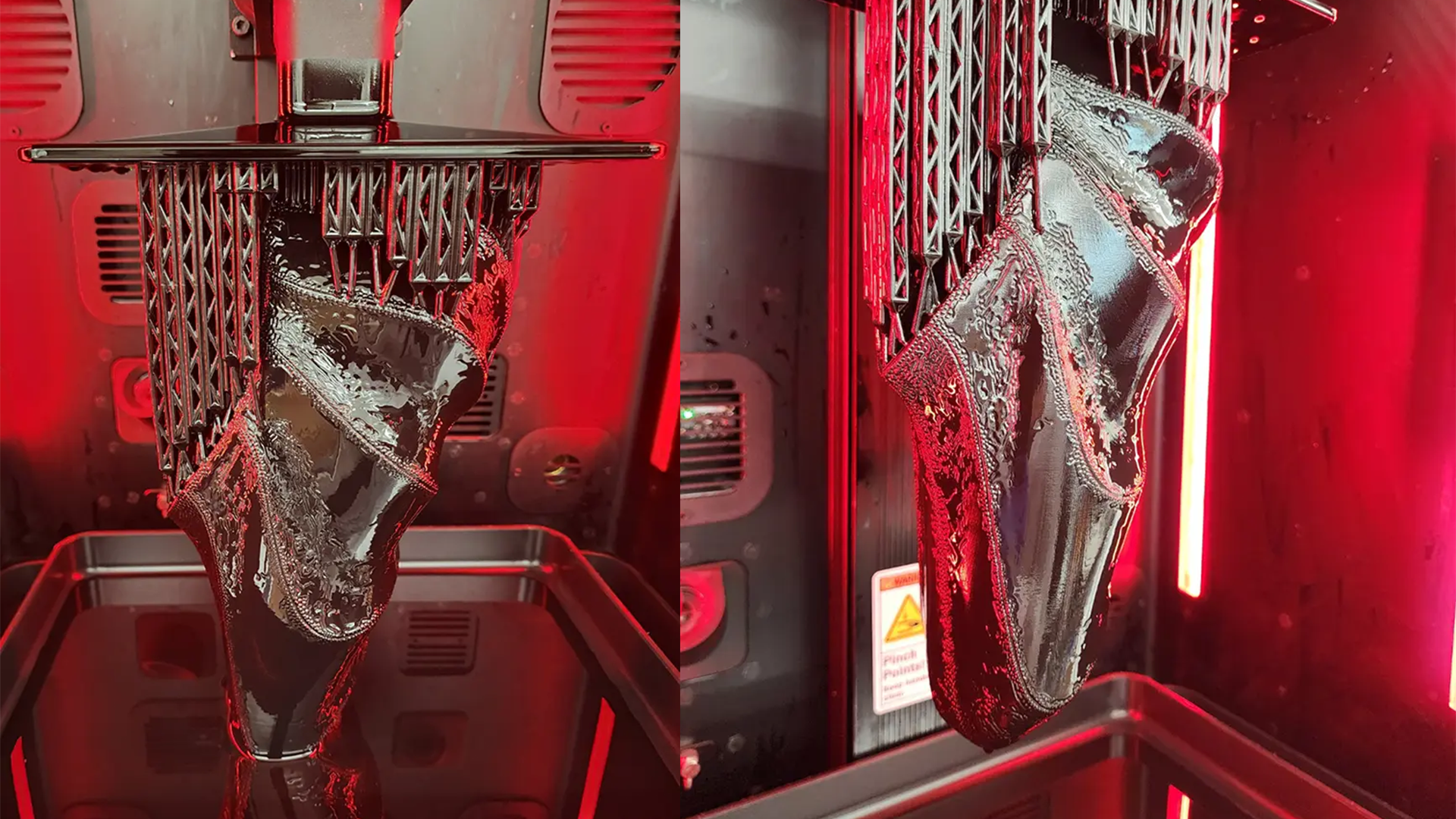
We are deeply interested in the future of 3D printing and its potential to reshape both product design and the built environment. As a digitally driven process, 3D printing offers new ways to transform how traditional materials are used in construction, while also making the use of recycled and alternative materials more accessible. By reducing or eliminating the need for conventional formwork, it also has the potential to lower material use and construction waste.
We view modern methods of construction as an opportunity to rethink how complex architectural ideas can be realised intelligently and efficiently. From the early stages of design, we consider construction processes that support precision, repeatability, and clarity, helping to rationalise complex geometries without compromising design intent. By engaging with off-site fabrication, modular thinking, and Design for Manufacture and Assembly (DfMA) principles, we explore ways to align geometry, material behaviour, and buildability. This approach encourages new possibilities for translating ambitious architectural forms into coherent, buildable outcomes.
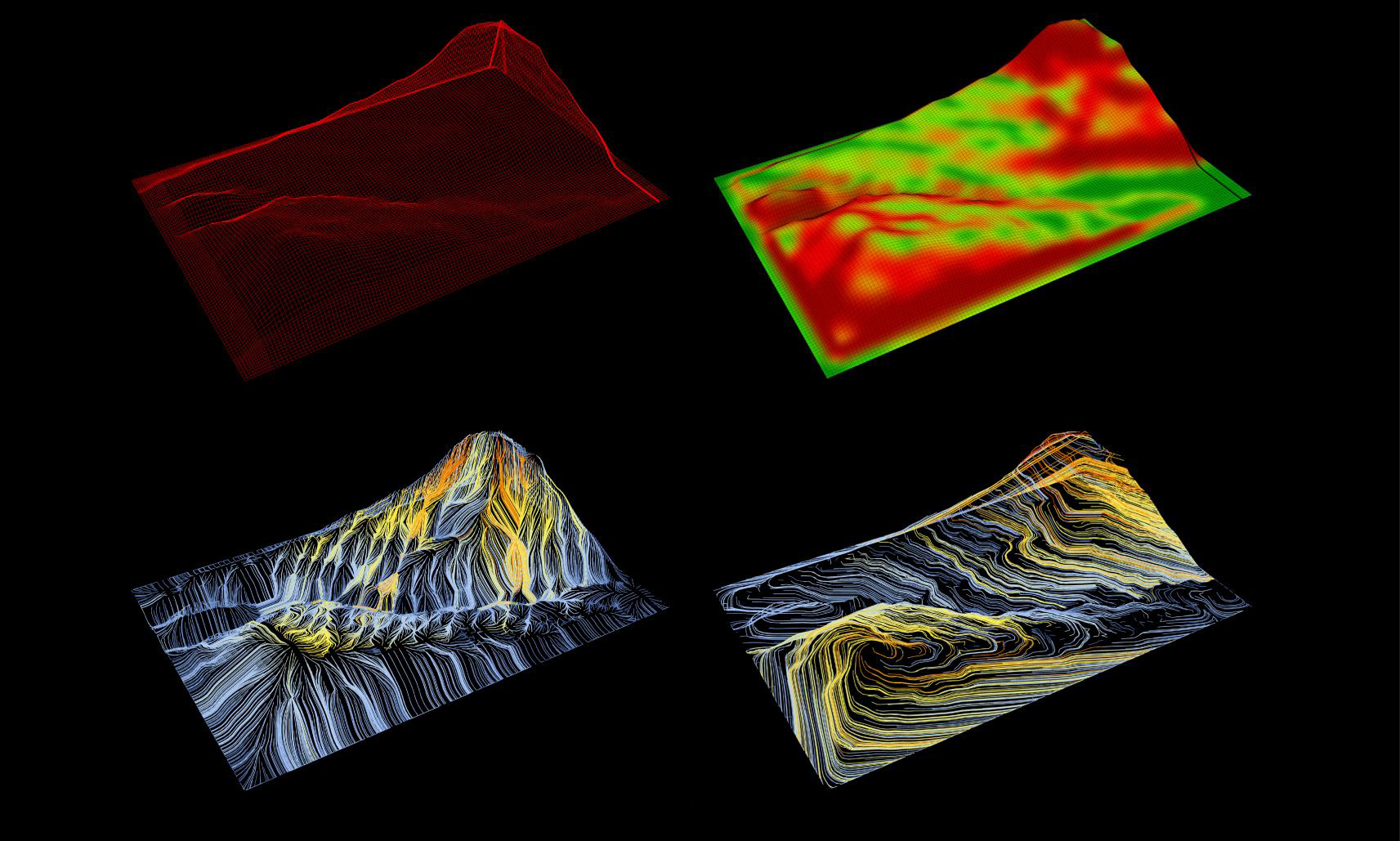
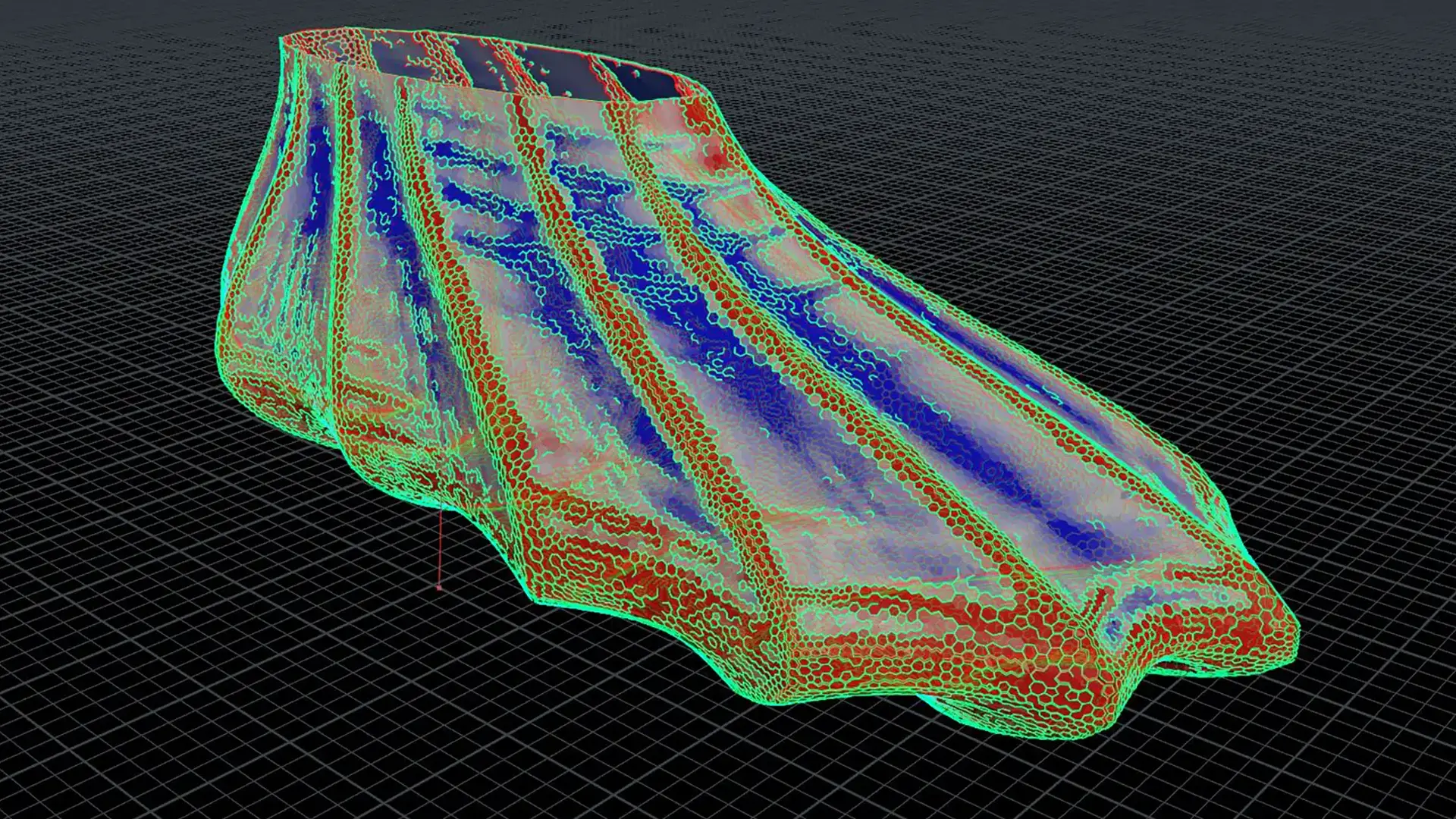
Our form-finding methods are grounded in algorithmic design processes inspired by emergent behaviours in natural systems, self-organisation in biological structures, and the underlying laws of nature. We explore how complex and efficient forms can arise from simple rules, feedback loops, and material logic rather than from predefined shapes. This approach is informed by the experimental research of pioneers such as Frei Otto and Sergio Musumeci, whose work demonstrated how structural performance, geometry, and material economy can be intrinsically connected. By translating these principles into computational workflows, we seek to develop architectures and products that are responsive, efficient, and closely aligned with natural processes.
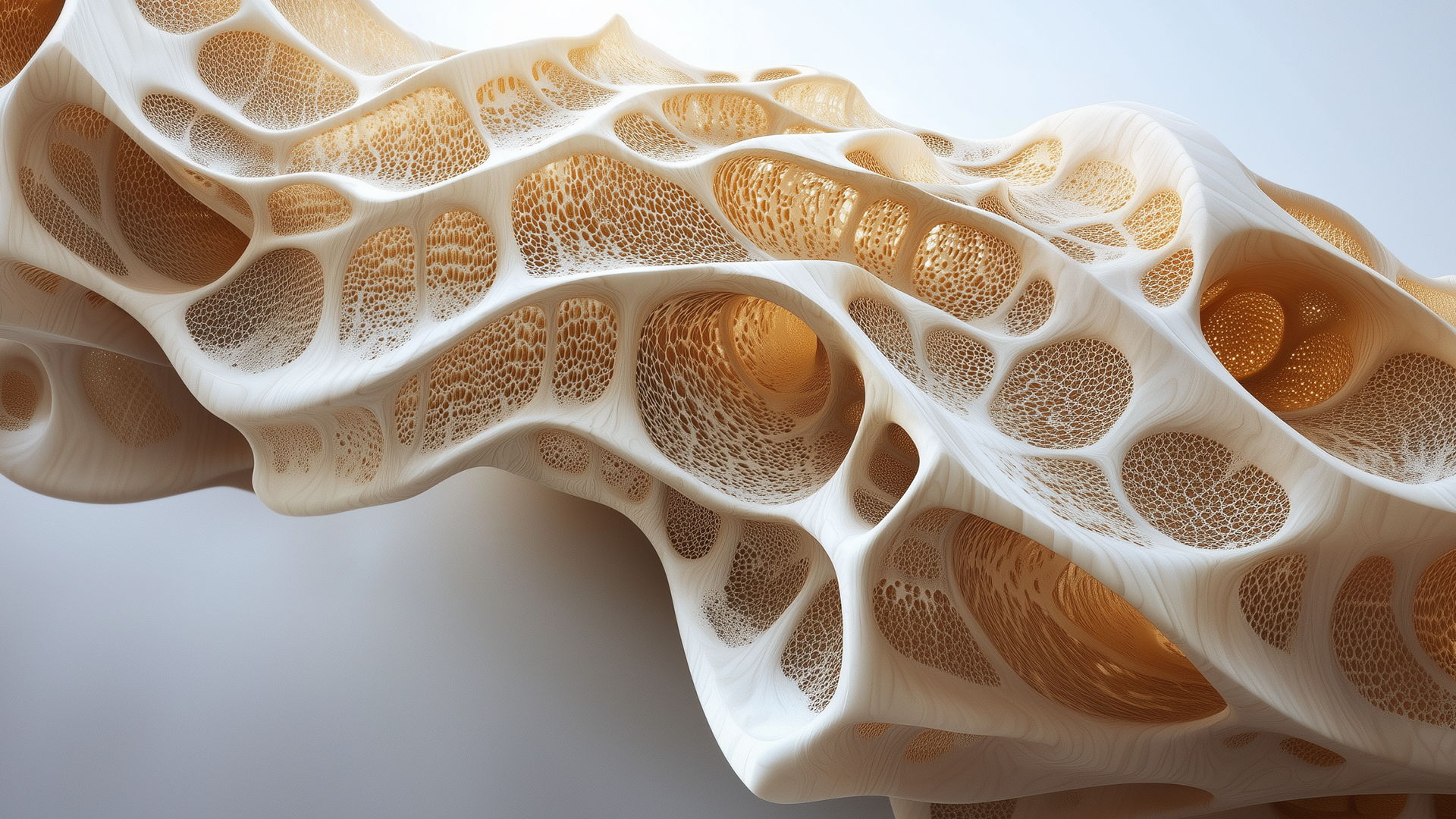
We use algorithmic design and generative AI as exploratory tools to expand the boundaries of design research and creativity. By combining parametric algorithms with AI-assisted workflows, we are able to investigate a wide range of design parameters, relationships, and possibilities at early stages of the design process. This approach supports informed experimentation, rapid iteration, and the discovery of alternative design directions. Rather than defining outcomes, these tools help us better understand complex systems and identify new, responsive solutions across different scales and design contexts.