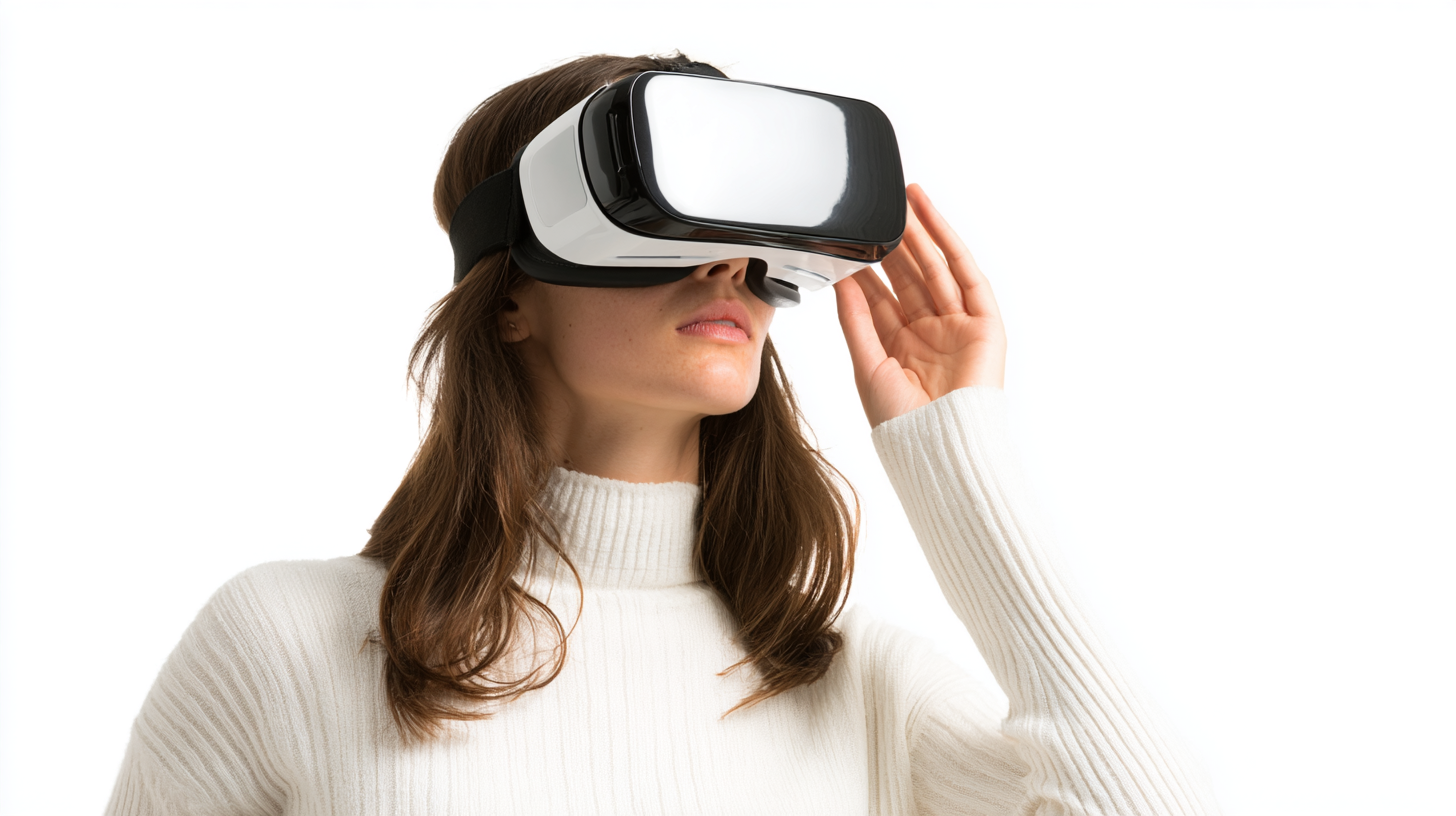
We use Virtual Reality and Augmented Reality to create immersive, interactive experiences that support design exploration and project communication. These tools allow clients to engage with designs at a human scale, gaining a clearer understanding of space, proportion, and intent before construction. VR and AR enhance presentations by making complex ideas accessible and compelling for public launches and stakeholder engagement. By visualizing and testing designs early, teams can explore options, refine decisions, and communicate with confidence. Integrated into our design process, these technologies strengthen clarity, alignment, and impact throughout project development.
AI and Design Technologies
We are passionate about advanced design technologies and their ability to expand how architecture is conceived, tested, and communicated. We use generative AI as an exploratory tool to support early design research and open up new creative directions. Algorithmic and parametric design methods allow us to model complex systems and optimise geometry through clearly defined parameters. BIM supports coordination, accuracy, and clarity throughout project documentation, while Virtual Reality enables immersive visualisation and interactive experiences that help stakeholders better understand design intent. Together, these tools form an integrated digital workflow that supports informed decision-making and thoughtful, contemporary design.
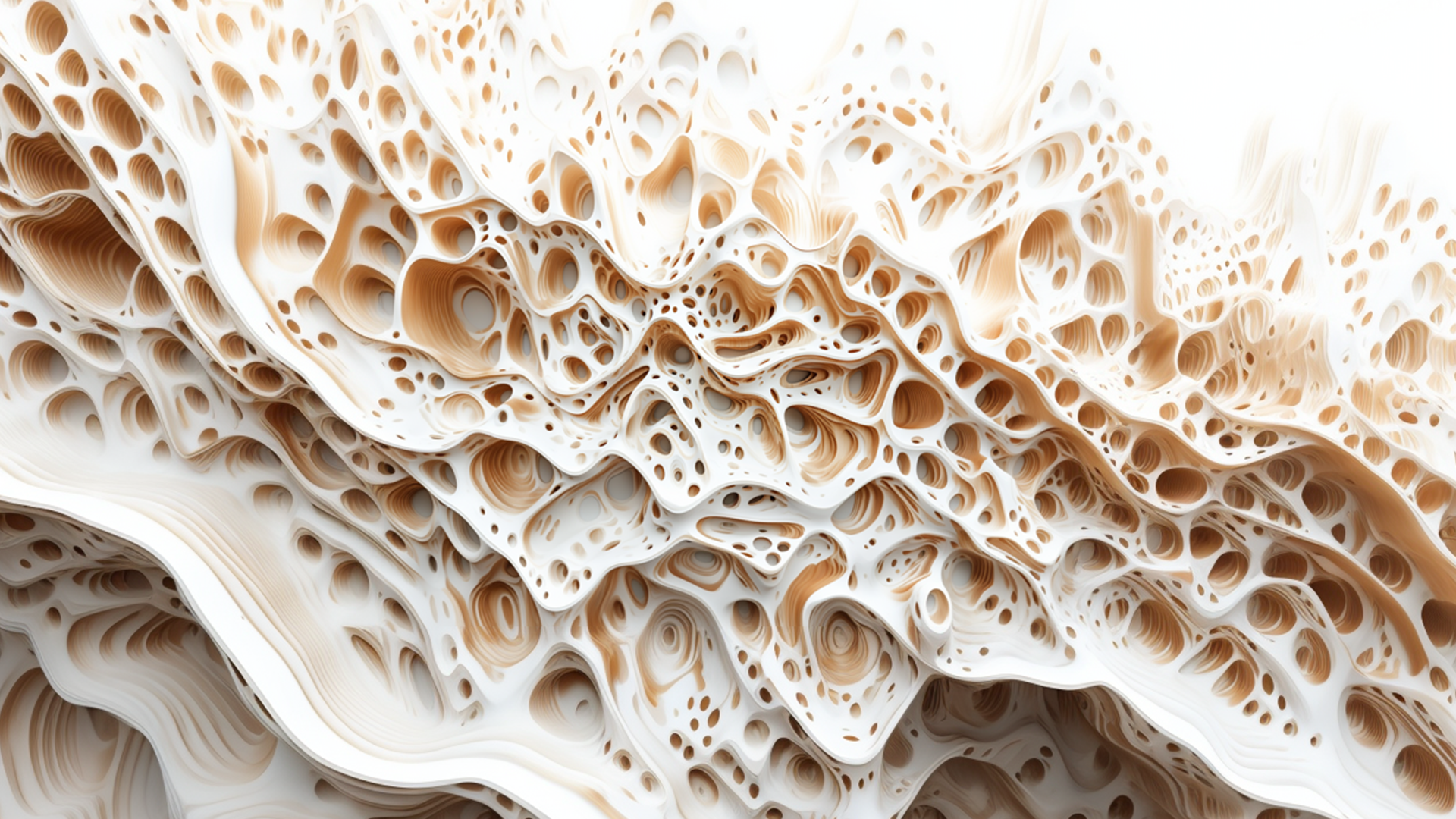
Generative AI
We use generative AI as a creative tool to expand design exploration and unlock greater value for our clients. AI helps us quickly explore a wider solution space, test possibilities, and surface unexpected directions that enrich early-stage thinking. It is used strictly as a source of inspiration—not as a replacement for design judgment. Every concept is shaped, refined, and delivered through our design expertise, critical thinking, and hands-on creative problem solving. Our human-led process ensures depth, intent, and originality, with AI’s computational power serving as a complementary accelerator that supports deeper exploration and more thoughtful, well-crafted design outcomes.
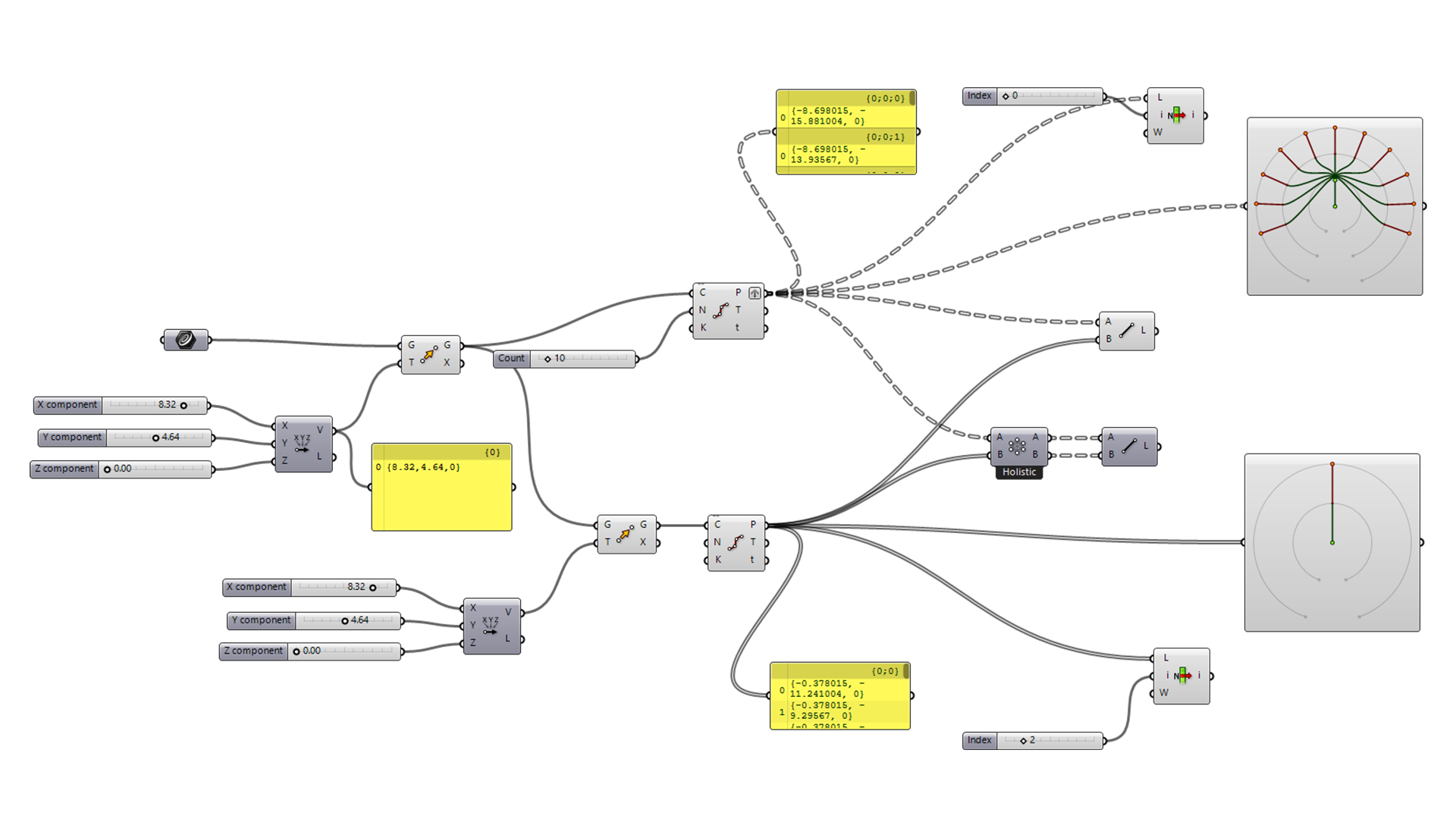
Algorithmic Design
Our algorithmic design approach enables the creation of data-driven design systems that respond intelligently to site conditions and contextual parameters. By working with large datasets, we explore complex design possibilities beyond manual methods, establishing clear, adaptable design rules that can be applied consistently at scale. These systems allow us to test, refine, and optimize geometry with precision, supporting performance, constructability, and fabrication efficiency. Technology enhances our ability to rationalize complexity, while design intent remains central, resulting in robust, flexible solutions that balance creativity, logic, and technical clarity across diverse project requirements.
Virtual Reality
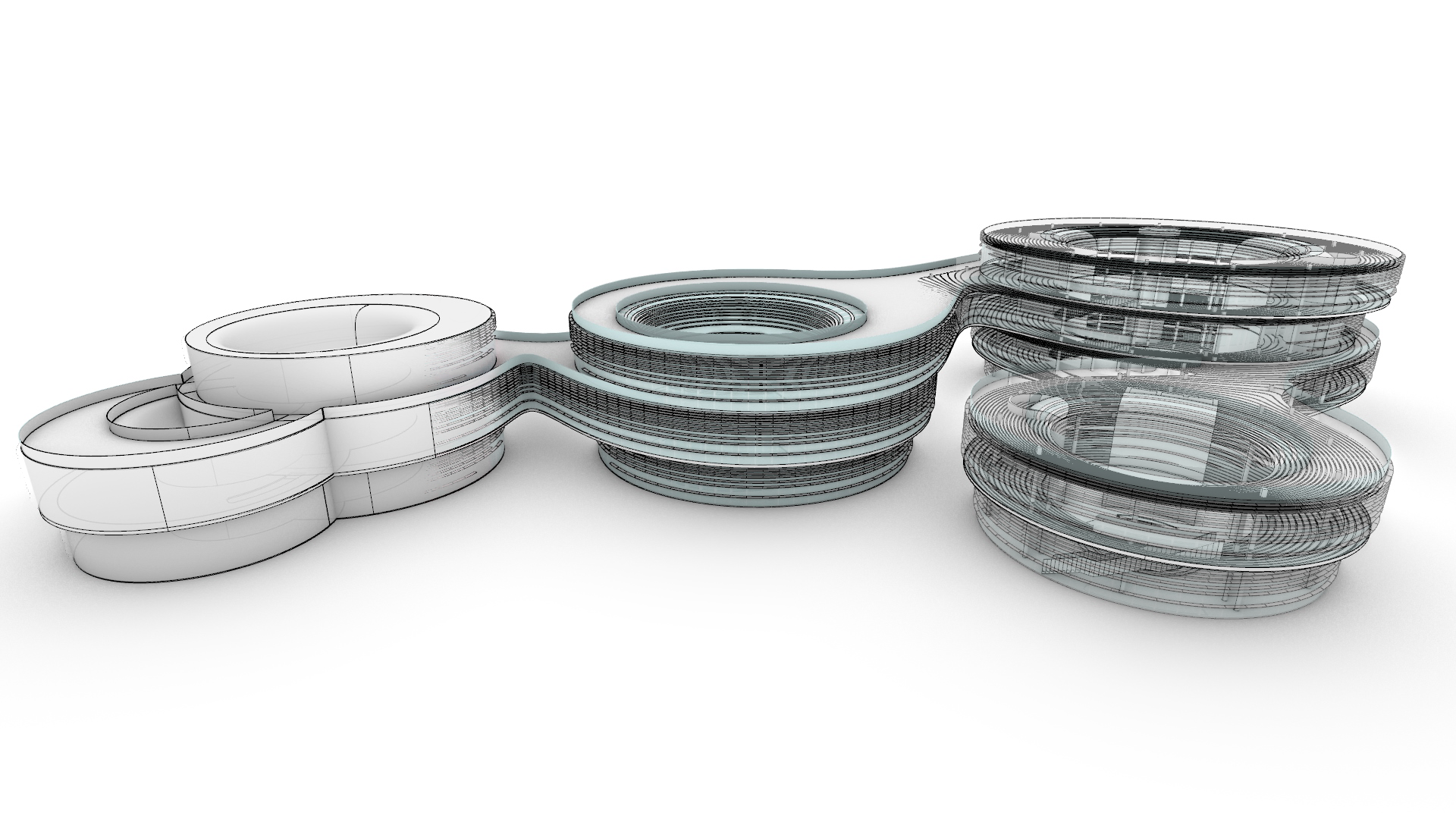
BIM
We use Building Information Modelling (BIM) to support accurate project documentation and coordinated design delivery. BIM enables clear information management, consistency across disciplines, and efficient production of drawings and data throughout the project lifecycle. In addition to our in-house BIM capabilities, we collaborate closely with specialist consultants to implement project-specific BIM solutions tailored to each project’s scope, complexity, and requirements. This collaborative approach ensures robust coordination, clear workflows, and well-structured information, supporting informed decision-making and a streamlined design and delivery process from concept through to construction.